

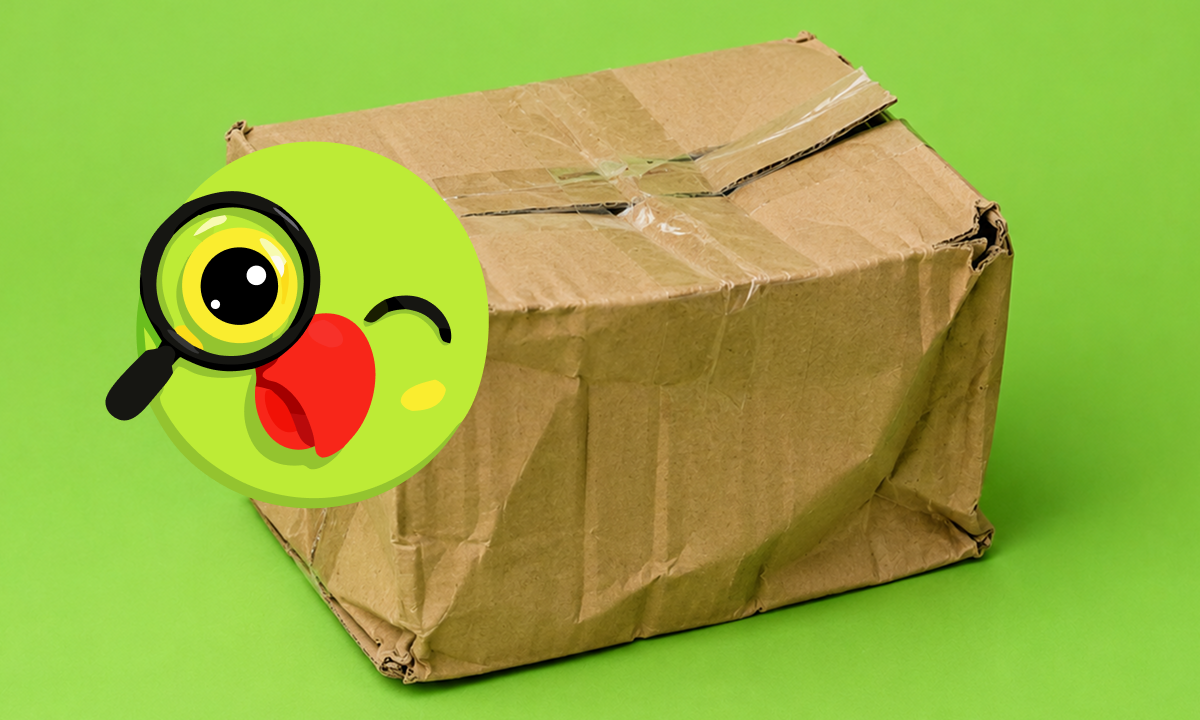
Your Product Is a Gift. Your Packaging Isn't.
Every year, Indonesian buyers spend the weeks before Lebaran doing something that almost no other shopping occasion demands: they buy food and beverages not for themselves, but for someone else's table.
That changes everything about what a negative review means.
TIA analyzed over 55,000 customer reviews across 25+ food and beverage brand groups on Shopee Indonesia, covering December 2025 through March 2026 – a window that includes the full Ramadan and Lebaran peak. What the data shows isn't just which products get complained about. It's why a dented tin in March hurts a brand more than a dented tin in July – and what that means for retention in a category where taste is almost never the problem.
The Gifting Multiplier
In most product categories, a damaged delivery is a logistics complaint. In food and beverage during Ramadan, it's something else: a failed gift.
Across the dataset, the Lebaran window concentrates both peak review volume and peak complaint rates simultaneously. Packaging damage spikes. Bundle accuracy drops. And the emotional language in negative reviews shifts – buyers write not about their own disappointment, but about someone else's. A torn hamper box wasn't just poorly packed. It arrived at a family gathering. A dented premium chocolate tin wasn't just damaged. It was the gift.
This matters for retention in a specific way. A buyer who feels personally inconvenienced might give you another chance. A buyer who felt embarrassed in front of their family – who handed someone a crushed box at Lebaran – is unlikely to return. And they're likely to tell people why.
The brands that solve packaging specifically for the gifting window generate disproportionately positive review momentum from the highest-volume sales period of the year. The ones that don't carry those reviews permanently into the next season.
What Actually Fails
Across every store in the dataset – from infant formula to artisanal snacks to international confectionery – the number one complaint is packaging damage in transit. Not taste. Not quality. Not price.
The product almost always survives. The presentation doesn't.
The failure modes differ by format. Canned products arrive dented when packed without internal separators. Fragile snacks like chocolate pies and wafer sticks arrive broken inside visually intact outer boxes, because the inner tray provides no real cushioning against courier compression. Premium gifting products – chocolate boxes, hamper sets, tin confectionery – arrive crushed in ways that make them impossible to present as gifts.
The fix in most cases isn't a different courier or a better product. It's a corrugated separator between cans. A compartmentalized inner tray for fragile formats. A rigid outer sleeve for anything positioned as a gift. Structural changes that cost far less than the reviews they prevent.
The second most consistent failure is promotional promise accuracy. Buyers order a Ramadan bundle and the bonus gift isn't included. They order a "buy X get Y" promotion and receive fewer items than listed. The pattern is the same across categories: the promotional commitment is made in the listing, but not verified at packing. During Lebaran – when buyers have planned these purchases as gifts and told people what to expect – this gap generates the sharpest emotional reactions in the dataset.
The Artisanal Exception
One thing appears in F&B and nowhere else in TIA's broader dataset: food safety complaints in artisanal products.
Among manufactured food brands, food safety issues are essentially absent from reviews. Among artisanal snack stores, they appear – spoilage, mold, stale texture, products arriving without any printed expiry date. This isn't a brand quality issue. It's a structural difference between industrial and artisanal production that shows up directly in review behavior.
For a buyer purchasing online without being able to inspect the product first, the absence of a visible production date creates real anxiety – especially for anything intended as a Lebaran gift. A shelf life stamp on every unit addresses this at near-zero cost and removes a complaint category that no manufactured brand ever has to deal with.
The Segment That Reviews Differently
In infant formula and premium wellness products, buyers don't just review the delivery. They report outcomes.
Weight gain. Better digestion. Improved sleep. Skin elasticity after consistent use. This review behavior – unique to these two segments in the F&B dataset – creates unusually strong social proof. A parent writing that their child's appetite improved is more persuasive than any product description.
But the same dynamic creates unusual sensitivity to change. Buyers who track outcomes notice reformulations, batch inconsistencies, and packaging downgrades faster than buyers in any other category. One store in the dataset had loyal buyers explicitly comparing current packaging to previous versions – describing the downgrade in detail and questioning whether the product itself had changed. These buyers had paid a premium based on trust. A cost-saving packaging decision read as a broken promise.
What the Lebaran Data Actually Recommends
The Ramadan and Lebaran peak is predictable. It happens at the same time every year. The review data shows that brands consistently fail during this window in the same ways – and that the failures are almost entirely operational, not product-related.
Pre-Lebaran is the highest-leverage moment in the F&B calendar to audit packaging integrity, verify promotional bundle accuracy, and check variant picking protocols. Not after the campaign, when the reviews are already written. Before it, when the problems are still preventable.
The brands with the lowest negative rates in this dataset during the Lebaran window aren't selling better products. They're managing the gap between what a buyer imagines handing to someone at a family gathering – and what actually arrives at their door.
That gap lives in your operations. And it shows up in your reviews long after Lebaran is over.
Curious what your buyers are actually writing about – especially around peak seasons? TIA analyzes reviews across Shopee, Tokopedia, Lazada and TikTok Shop so you can find the problems before they become permanent. Learn more →