

The Unboxing Is the Product
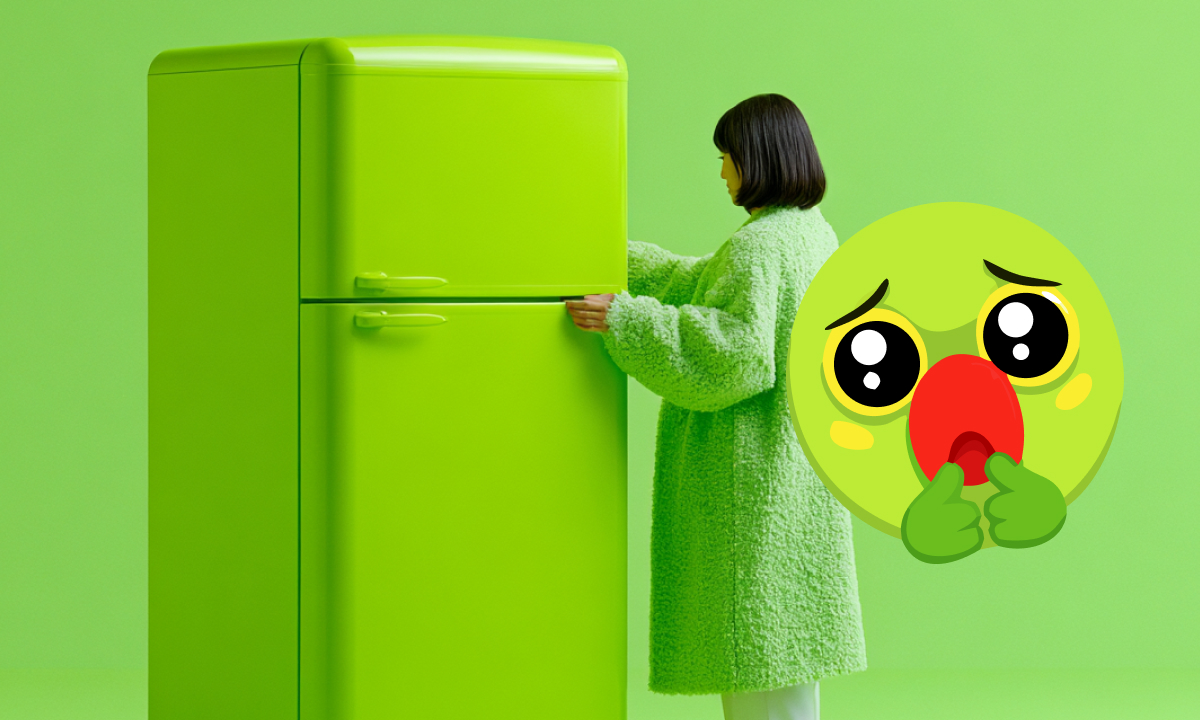
A buyer orders a refrigerator. It arrives with a dented door. They give it one star.
The fridge works perfectly. The compressor is fine. The temperature is exactly right. None of that matters because the review was written before the buyer plugged it in.
This is the defining dynamic of electronics and home tech on Indonesian marketplaces: the product gets judged before it gets used. And that means the box, the packaging, the first sixty seconds of unboxing – these aren't logistics details. They're the product experience.
TIA analyzed over 122,000 reviews across 20+ electronics and home tech brands on Shopee Indonesia, covering December 2025 through March 2026. The data tells a consistent story across every subcategory: smartphones, laptops, smart home devices, large appliances, LED lighting, accessories. Most reviews are written within three to five days of delivery, often before the product has been meaningfully used. What happens between the warehouse and the buyer's hands shapes the rating more than what happens after.
Why Electronics Reviews Are Different
Across every other category TIA has analyzed, the pattern is the same: buyers give four or five stars and hide complaints in the text. Electronics follows this pattern too but with a twist.
In beauty or health, complaints buried in positive reviews are almost always soft: fragrance faded faster than expected, results took longer than hoped. In electronics, the soft complaints are there too. But sitting alongside them is a separate category of hard failures – a refrigerator door physically bent on arrival, a CCTV camera that never connects to WiFi, a water heater where the installer never shows up. These failures are severe enough that buyers actually lower their star rating. They don't absorb them politely.
This creates two distinct complaint populations in electronics. The majority (thin packaging on a flagship phone, a missing free gift, a color temperature that doesn't match the listing) behave like beauty complaints. Buyers absorb them, give four stars, mention it in the text, and maybe don't reorder. The minority (damaged large appliances, dead-on-arrival devices, complete service failures) generate the kind of one-star reviews that move aggregate ratings and appear on the first page of a listing.
Both populations are retention risks. Only one of them is visible in your dashboard.
The Wooden Crate Effect
One of the most striking findings in the electronics dataset is what buyers do when a large appliance arrives in a wooden crate.
They photograph it. They write about it in reviews. They mention it specifically as a reason for their high rating.
A wooden crate around a water heater or a laptop costs relatively little. But in a market where packaging anxiety is real, where buyers genuinely wonder whether their purchase will survive the courier, it functions as a premium signal that the seller took the shipment seriously. It creates a positive unboxing moment that is disproportionately effective at generating five-star reviews and word-of-mouth.
The reverse is equally true. Large appliance brands that ship without adequate crating receive some of the most emotionally charged negative reviews in the entire dataset. Buyers who paid for a refrigerator and received a dented door don't just feel inconvenienced. They feel the brand didn't respect the purchase. That emotional register – of disrespect, not just disappointment – is what drives the sharpest one-star reviews in electronics.
The lesson isn't specifically about wooden crates. It's about the gap between what a buyer expects to receive for a high-consideration purchase, and what actually arrives. Close that gap upward, and reviews reflect it. Widen it downward, and the consequences are permanent.
The Authenticity Paradox
In electronics, buyers frequently praise sellers for selling genuine products. They mention "original" in positive reviews. They describe relief at receiving a real item.
This is unusual. In most categories, authenticity is a baseline assumption – not something buyers celebrate. In electronics, it's an active concern. Buyers verify barcodes, check seals, examine packaging for signs of tampering. When everything checks out, they write about it as a feature.
What this tells sellers is something important: a meaningful share of your buyers weren't sure they would receive a genuine product when they placed the order. They chose you anyway. And when you delivered, they rewarded you with explicit praise – the kind that other buyers read before deciding whether to trust you.
This is a retention opportunity that most electronics sellers haven't activated. A simple in-box verification card with a QR code and serial number – something that makes the authenticity check effortless and visible – turns a passive buyer relief moment into an active brand signal. It tells the next buyer: this seller knows you're worried about this, and they've already thought about it.
After the Box Opens
Electronics is the only category in this dataset where after-sales service generates as many negative reviews as the product itself.
Across water heater installation, warranty activation, service center routing, and support ticket visibility, the pattern is consistent: the product works, but the system around it doesn't. Technicians don't show up. Support sends automated replies. Warranty cards arrive incomplete. Buyers who want to make a claim find no documentation explaining how.
These failures generate negative reviews with a specific quality: they're not about disappointment. They're about feeling abandoned. A buyer who paid a significant sum for a home appliance and can't get a human response from support doesn't just leave a bad review. They tell their network. In a market where electronics purchases are high-consideration and often community-influenced, that word of mouth travels.
The brands that solve after-sales communication first – real-time ticket tracking, clear escalation paths, proactive technician scheduling – will stand out in a category where every competitor has the same gap.
The First-Use Window Is Everything
Smart home devices add a specific wrinkle to the electronics retention picture. CCTV cameras, smart lighting, connected appliances – these products are reviewed not just on arrival, but on first setup. And first setup, for WiFi-dependent devices, is frequently where trust breaks.
Devices that go offline after initial pairing, fail to connect to 2.4GHz networks, or lose Bluetooth after a firmware update generate the strongest emotional language in the smart home segment. The complaints are small in percentage terms. But a camera that goes offline defeats its entire purpose. A smart light that won't pair is worse than a regular light. The feature that was supposed to justify the premium becomes the source of the complaint.
The fix in most cases isn't hardware. It's a connectivity troubleshooting card in the box, in-app pairing diagnostics, and firmware that recovers gracefully from an offline state. The products are strong. The first-use experience is where the retention risk lives.
What This Means for Your Store
Electronics buyers spend more, research more, and write reviews at roughly double the rate of beauty buyers. They're evaluating every step – the listing, the packaging, the unboxing, the first use, the after-sales experience. Each step is a retention moment.
The brands with the lowest negative rates in this dataset aren't necessarily selling better products. They're managing every moment between the order confirmation and the first successful use. That window, not the product spec sheet, is where electronics retention is won or lost.
Want to know where your electronics reviews are hiding the real problems? TIA analyzes customer reviews across Shopee, Tokopedia, Lazada, and TikTok Shop – so you can see what's actually happening between the warehouse and your buyer's hands. Learn more →